
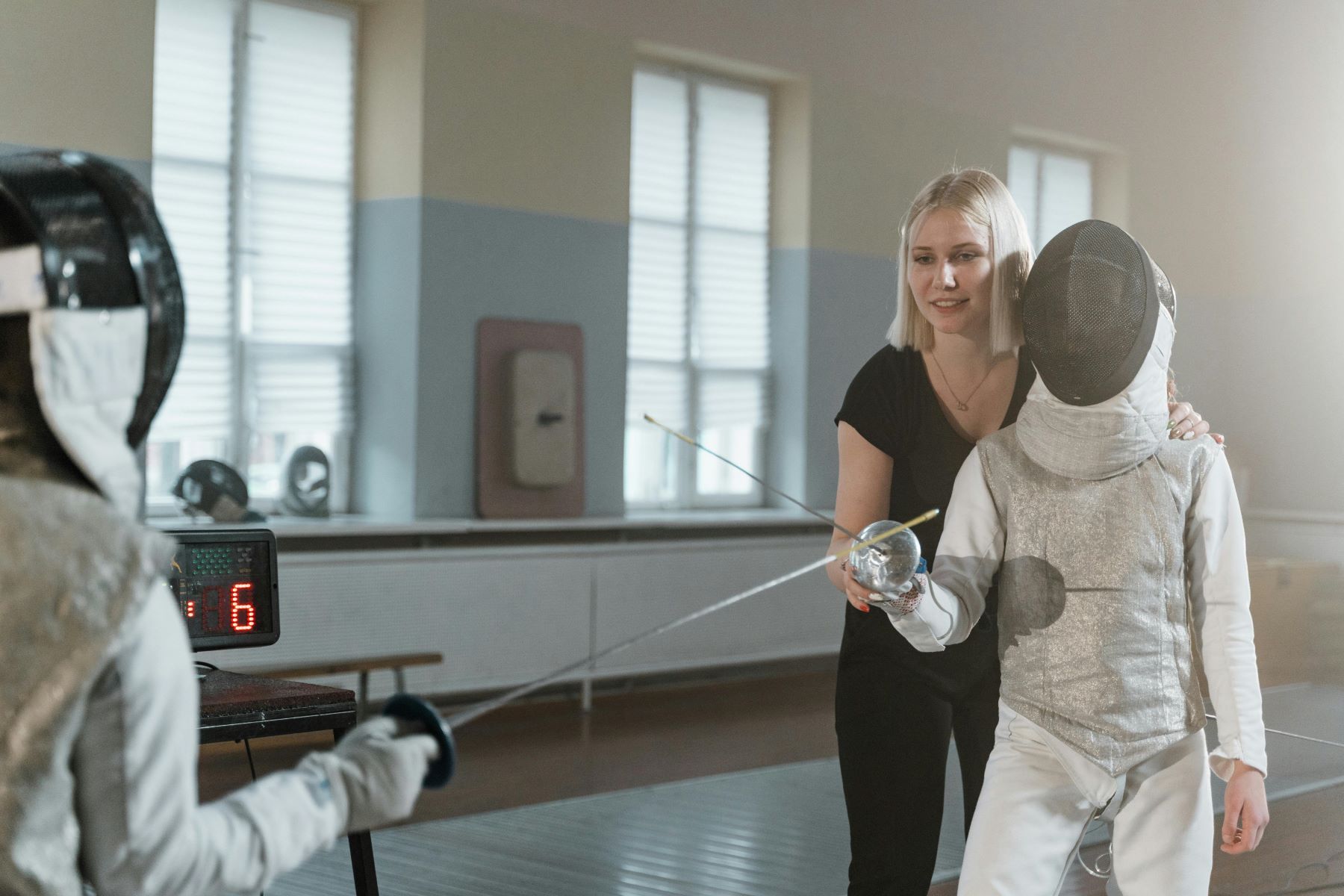
Fencing offers children a unique combination of physical activity, mental challenge, and character development that few sports can match. This Olympic sport teaches young athletes strategic thinking, quick reflexes, and disciplined movement while building confidence and respect for opponents. Unlike team sports, fencing allows kids to develop individual skills while learning valuable life lessons about perseverance and focus.
Parents seeking an activity that develops both body and mind will find fencing provides exceptional benefits. The sport improves coordination, builds strength, and enhances problem-solving abilities. Children learn to make split-second decisions under pressure while maintaining composure and sportsmanship. These skills transfer directly to academic performance and social situations.
Modern fencing programs prioritize safety through proper equipment and structured instruction. Young fencers wear protective gear and learn technique gradually, making injury rates significantly lower than contact sports. The controlled environment allows children to challenge themselves while parents feel confident about their safety.
The sport suits children of various ages and athletic backgrounds, from beginners to advanced young athletes. Quality kids fencing classes provide age-appropriate instruction that matches developmental stages while maintaining high safety standards.
Physical Development Through Fencing
Fencing transforms young bodies through dynamic movement patterns that engage multiple muscle groups simultaneously. The sport develops exceptional hand-eye coordination as children learn to control their weapon while tracking their opponent’s movements. Footwork drills improve balance and agility, creating athletes with superior spatial awareness.
The lunging and retreating motions strengthen leg muscles and improve cardiovascular fitness. Children develop core stability through the maintained en garde position, which requires sustained muscle engagement. Unlike repetitive sports, fencing’s varied movements prevent overuse injuries while building functional strength.
Flexibility increases naturally as young fencers learn to extend and contract their bodies fluidly. The sport demands precise control over distance and timing, developing proprioception that benefits children in all physical activities. Regular practice creates strong, coordinated athletes with excellent posture and movement quality.
Mental Skills and Strategic Thinking
Fencing challenges young minds like a physical chess match, requiring constant analysis and adaptation. Children develop:
- Problem-solving skills through reading opponent patterns and adjusting tactics
- Concentration abilities by maintaining focus during intense bouts
- Decision-making confidence under time pressure
- Memory enhancement through learning complex technique sequences
- Analytical thinking by studying successful and unsuccessful actions
The sport teaches children to process information quickly while executing physical responses. Young fencers learn to recognize opportunities and react appropriately, skills that improve academic performance and test-taking abilities. The mental demands create focused, thoughtful individuals who approach challenges systematically.
Pattern recognition develops as children identify opponent tendencies and formulate counter-strategies. This cognitive skill transfers to mathematics, reading comprehension, and scientific reasoning. Fencing creates young people who think before acting while maintaining the ability to react instinctively when needed.
Social Benefits and Character Development
Fencing clubs foster supportive communities where children learn respect and sportsmanship. The sport’s individual nature teaches personal responsibility while group training creates lasting friendships. Young fencers support teammates during competitions, celebrating victories and providing encouragement during defeats.
The formal traditions of fencing instill courtesy and respect for opponents. Children learn to salute before and after bouts, acknowledging their competitor’s effort regardless of outcome. These rituals create young people who understand that competition can be intense yet respectful.
International competition opportunities expose children to different cultures and languages. Many young fencers develop friendships with athletes from around the world, broadening their perspectives and cultural understanding. The global nature of fencing creates well-rounded individuals with international awareness.
Building Confidence and Resilience
Individual competition in fencing teaches children to rely on their preparation and abilities. Success comes through personal effort rather than team dynamics, creating self-reliant young athletes who understand the connection between practice and performance. Each bout provides immediate feedback about skill development and strategic thinking.
Losing becomes a learning opportunity rather than a devastating experience. Children analyze their mistakes, adjust their approach, and try again. This resilience builds character that serves them throughout life, teaching that setbacks are temporary and improvement comes through persistence.
Goal-setting becomes natural as young fencers work toward advancing through weapon levels and competition rankings. The clear progression system provides measurable achievements that build confidence incrementally. Children learn to celebrate small victories while maintaining focus on long-term objectives.
Safety Considerations in Youth Fencing
Fencing prioritizes participant safety through comprehensive protective equipment and progressive instruction methods. Children wear masks, jackets, gloves, and appropriate lower-body protection during all practice sessions. Weapons are designed specifically for safe training with blunted tips and flexible blades.
Instructors emphasize proper technique before allowing sparring activities. Children learn distance management and weapon control through structured drills that minimize contact risk. The progression from basic movements to advanced techniques ensures young fencers develop skills safely.
Injury rates in fencing remain significantly lower than contact sports like football or wrestling. The controlled environment and protective equipment create conditions where children can compete intensely while parents feel confident about safety. Proper supervision ensures adherence to safety protocols at all times.
Getting Started with Kids Fencing Classes
Beginning fencing requires minimal initial investment, making the sport accessible to families with varying budgets. Most programs provide equipment for new students, allowing children to try the sport before purchasing gear. Consider these factors when choosing kids fencing classes:
- Instructor qualifications and teaching experience with youth athletes
- Class sizes that allow individual attention and proper supervision
- Age-appropriate progression systems that match developmental stages
- Facility safety standards and equipment quality
- Competition opportunities suitable for different skill levels
Trial classes help determine if fencing matches your child’s interests and personality. Most children respond positively to the combination of physical and mental challenges. The sport suits various personality types, from quiet analytical thinkers to energetic competitive athletes.
Many successful fencers begin training between ages 8-12, though programs exist for younger children. Starting age matters less than consistent practice and proper instruction. The key is finding quality fencing lessons for kids that prioritize safety, skill development, and enjoyment.
Professional Training Makes the Difference
Quality instruction accelerates learning and ensures proper technique development from the beginning. Experienced coaches understand child development and adapt teaching methods to different learning styles. Professional fencing lessons for kids provide structured progression that builds skills systematically.
Elite International Fencers Club in San Diego offers comprehensive youth programs designed to develop confident, skilled young athletes. Their experienced instructors create supportive learning environments where children thrive while mastering this Olympic sport.
Choosing professional instruction prevents the development of bad habits that become difficult to correct later. Quality coaches emphasize fundamentals while making learning enjoyable and engaging. The investment in proper training pays dividends throughout a young athlete’s fencing journey.
Contact Elite International Fencers Club today to discover how fencing can transform your child’s physical abilities, mental acuity, and personal character through expert instruction and supportive community.